
 10 July 2026
 Share
Share
1
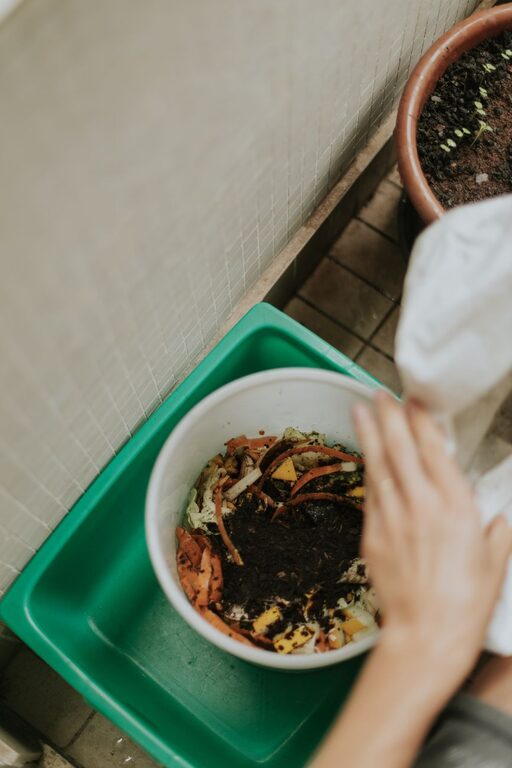
Composting is a wonderful way to turn kitchen scraps and yard waste into nutrient-rich soil that benefits your garden and the environment. If you’re new to composting, it might seem a bit overwhelming at first, but starting your own home compost pile or bin is easier than you think. This guide will walk you through beginner-friendly tips to help you get started with composting at home.
Composting is the natural process of recycling organic materials like food scraps, leaves, and grass clippings into a dark, crumbly soil amendment called compost. This compost enriches the soil, helps retain moisture, and supports healthy plant growth. Plus, composting reduces the amount of waste sent to landfills, which is better for the environment.
– Reduce waste: Composting keeps organic waste out of landfills.
– Save money: Homemade compost can replace store-bought fertilizers.
– Improve soil: Compost adds nutrients and improves soil texture.
– Help the environment: Decomposing organic waste in landfills creates methane, a potent greenhouse gas, which composting helps prevent.
There are several ways to compost at home, depending on your space and preferences:
A compost bin is a container where you can place your compost materials. These bins can be purchased or homemade and keep your compost tidy and contained.
If you have a larger yard, you can start a compost pile directly on the ground. This is a simple and natural option but may take longer to break down materials.
This is a rotating compost bin that makes turning and mixing your compost easier, speeding up the decomposition process.
Using worms to break down food scraps, vermicomposting is great for indoor composting and small spaces.
Composting works best with a balance of two types of materials:
– Greens (rich in nitrogen): kitchen scraps like fruit and vegetable peels, coffee grounds, fresh grass clippings.
– Browns (rich in carbon): dry leaves, straw, shredded paper, cardboard.
– Meat, dairy, and oily foods (can attract pests)
– Diseased plants or weeds that have gone to seed
– Pet waste
Choose a dry, shady spot in your yard that is easy to access. This helps maintain moisture and temperature for the compost.
Place your compost bin or designate a corner for your pile. If using a bin, ensure it has ventilation holes.
Start with a layer of browns like dry leaves or straw. Then, alternate layers of greens and browns—about three parts browns to one part greens.
Your compost should feel like a damp sponge. Water it occasionally if it gets too dry.
Every week or two, use a garden fork or compost aerator to turn your pile. This adds oxygen, which speeds up decomposition.
Compost can take anywhere from two months to a year to be ready, depending on conditions. You’ll know it’s done when it looks dark, crumbly, and smells earthy.
– Bad odors: Usually a sign of too many greens or lack of air. Add more browns and turn the pile.
– Pile too dry: Add water and greens to increase moisture.
– Pile too wet: Add browns and turn the pile to improve air circulation.
– Slow decomposition: Chop materials into smaller pieces and turn pile more often.
– Chop scraps: Smaller pieces break down faster.
– Use a kitchen scrap container: Keep a small bucket or bin handy in your kitchen for easy composting.
– Avoid overloading: Don’t add too much at once; give your pile time to process materials.
– Stay consistent: Regularly adding materials and turning helps maintain balance.
Composting teaches sustainable habits and connects you to nature’s cycles. It reduces your carbon footprint and makes your garden healthier, leading to better plants and flowers.
Starting a compost at home is a rewarding and environmentally friendly practice. By following these beginner tips and experimenting with what works best for your space, you’ll soon have a rich resource to nourish your garden while reducing waste. Happy composting!
