
 10 July 2026
 Share
Share
1
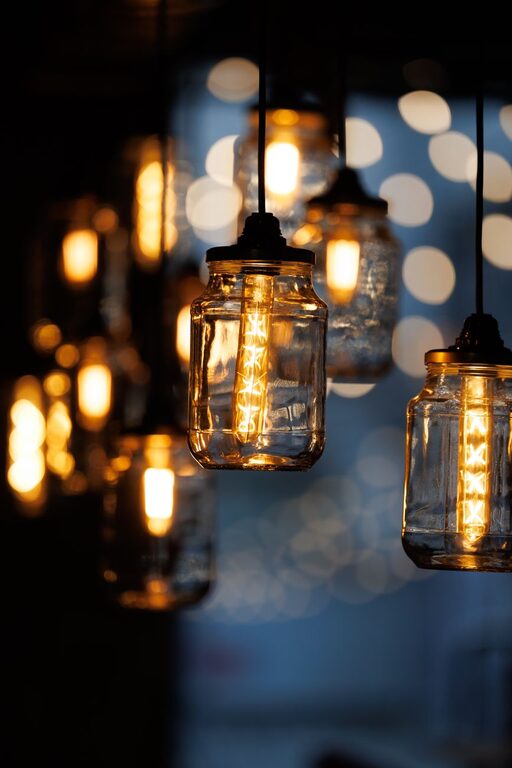
Creating a comfortable and inviting atmosphere in your home starts with the right lighting. Good lighting not only brightens your space but also influences your mood, productivity, and overall well-being. Whether you’re updating your living room, bedroom, or kitchen, choosing the right lighting can make all the difference.
In this post, we’ll guide you through practical tips to help you select comfortable home lighting that fits your needs and style.
Before diving into specific tips, it’s helpful to understand the three main types of lighting used in home interiors:
– Ambient Lighting: This is the general, overall light in a room. It provides uniform illumination so you can move around safely and see clearly.
– Task Lighting: Focused lighting designed for specific activities such as reading, cooking, or working.
– Accent Lighting: Used to highlight certain features like artwork, plants, or architectural details, adding depth and interest to a space.
A comfortable home lighting plan balances all three types appropriately.
Each room in your home has a unique function, and the lighting should reflect that:
– Living Room: A mix of ambient and accent lighting creates a relaxing environment. Use dimmable ceiling lights, floor lamps, and wall sconces to adjust brightness based on activities like watching TV or entertaining guests.
– Kitchen: Bright task lighting is key here for chopping, cooking, and cleaning. Under-cabinet LED strips and adjustable pendant lamps over the island work well.
– Bedroom: Soft and warm lighting promotes relaxation. Bedside lamps and wall fixtures with warm bulbs can create a cozy atmosphere.
– Home Office: Bright, glare-free task lighting helps reduce eye strain. Desk lamps with adjustable arms combined with good ambient light make for a comfortable workspace.
The type of bulb you use significantly impacts comfort:
– LED Bulbs: Energy-efficient, long-lasting, and produce less heat. They are available in a variety of color temperatures.
– Color Temperature: Measured in Kelvins (K), it determines the light’s warmth or coolness.
– Warm white (2700K–3000K) creates a cozy, inviting atmosphere.
– Neutral white (3500K–4100K) is suitable for kitchens and work areas.
– Cool white (5000K–6500K) mimics daylight and is ideal for task-focused rooms.
Opt for warmer tones in relaxing spaces and cooler tones where you need alertness.
Layering light means combining ambient, task, and accent lighting for flexibility:
– Install ceiling fixtures for general light.
– Add table or floor lamps for reading or working.
– Use spotlights or LED strips to highlight decor or architectural features.
This approach allows you to adjust the mood and brightness easily throughout the day and for different occasions.
Dimmers are a simple way to increase lighting comfort and save energy. They allow you to:
– Adjust brightness according to the time of day or activity.
– Create a softer ambiance in the evening.
– Extend the life of bulbs by reducing their power.
Consider smart lighting systems or programmable switches for added convenience.
Where and how you place lighting fixtures affects both comfort and aesthetics:
– Avoid placing lights directly above TV screens or computer monitors to reduce glare.
– Position bedside lamps so the light doesn’t disturb your partner.
– Use indirect lighting where possible, such as lights directed at walls or ceilings, to create gentle illumination and reduce harsh shadows.
– Choose fixtures that complement your interior style to help create a cohesive look.
Natural daylight is one of the most comfortable and energizing light sources. Make use of it by:
– Keeping windows clean and unobstructed.
– Using sheer or light-colored curtains that allow light to filter in softly.
– Placing mirrors strategically to reflect light and brighten darker corners.
Balancing natural and artificial light throughout the day helps maintain a healthy and comfortable environment.
Comfortable lighting shouldn’t come at the cost of high energy use. Choosing energy-efficient bulbs like LEDs and using dimmers or timers can reduce electricity consumption and lower your bills. Additionally, selecting fixtures made from sustainable materials contributes to an eco-friendly home.
If possible, test different bulbs and lighting arrangements before finalizing your choices:
– Purchase bulbs with adjustable color temperatures.
– Try temporary fixtures or floor lamps to assess light quality and comfort.
– Observe lighting at different times of day and during common activities.
This trial and error approach ensures you get the best lighting solution for your needs.
—
Choosing comfortable home lighting is about more than just brightness. It involves creating the right ambiance, considering your activities, and using lighting thoughtfully throughout your space. With the tips above, you can design a lighting plan that makes your home welcoming, functional, and enjoyable.
Remember, light profoundly impacts how you feel in a space, so take your time to get it right!
